What Can Cause a Home to Fail Inspection in New Jersey?
A home inspection can be one of the most stressful parts of buying or selling a house. Buyers worry that the inspector will uncover an expensive problem, while sellers wonder whether a defect could delay, or completely derail the sale.
Technically, a home does not “pass” or “fail” an inspection. The inspector evaluates the visible and accessible components of the property and documents any concerns. The buyer then decides whether to proceed, request repairs, renegotiate the price or exercise an inspection contingency if permitted by the purchase agreement.
While chipped paint or a loose doorknob probably will not end a transaction, major safety hazards, structural defects and environmental concerns can create serious obstacles. Here are some of the most common home inspection problems New Jersey buyers and sellers should understand.
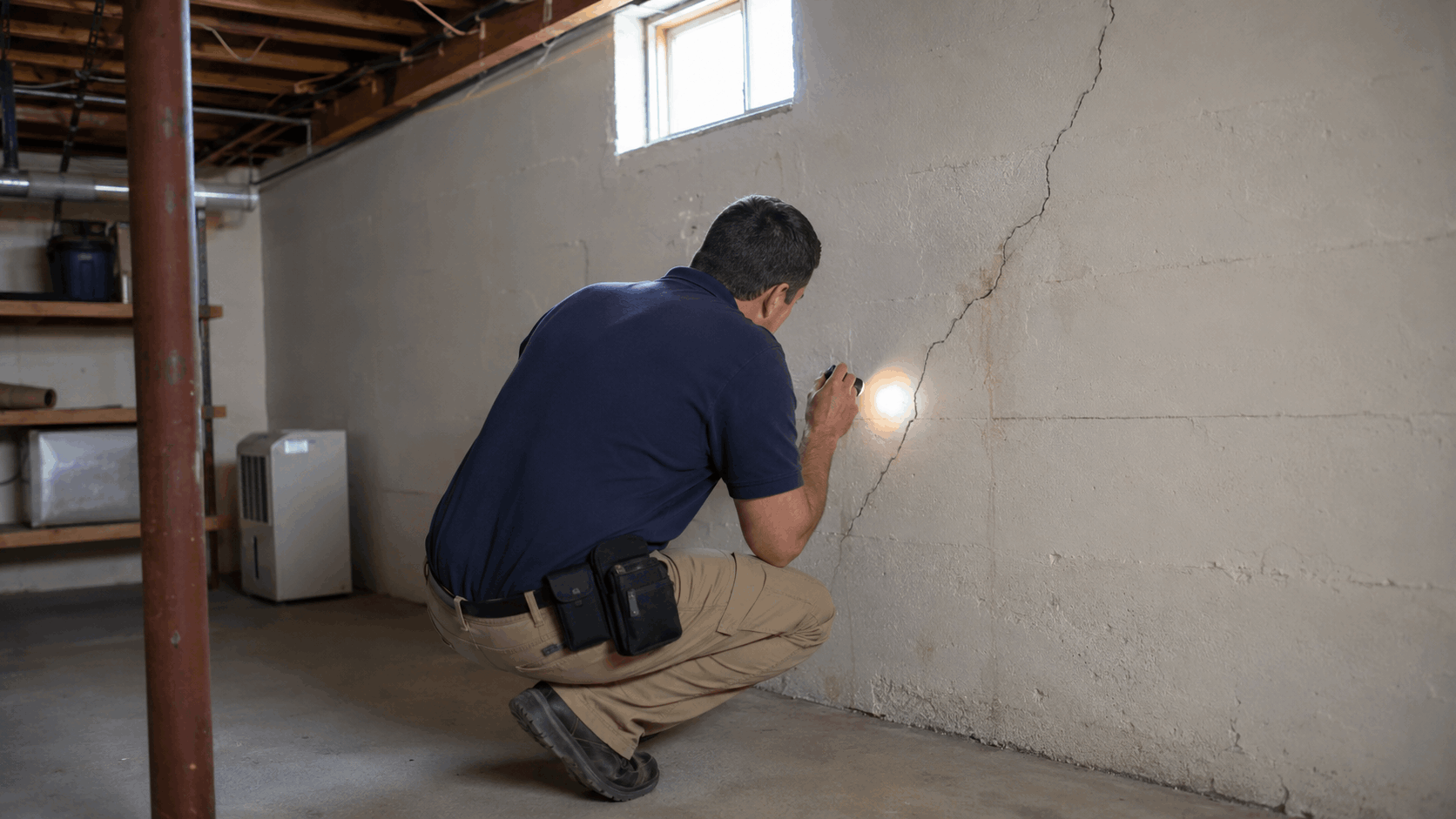
1. Foundation and Structural Problems
Structural issues are among the most concerning findings because repairs can be complicated and expensive.
An inspector may identify:
- Large or expanding foundation cracks
- Bowing basement walls
- Uneven or sagging floors
- Cracks around doors and windows
- Doors that no longer close properly
- Damaged support beams or floor joists
- Evidence that part of the home has shifted
Not every crack indicates a serious structural problem. Minor settling is common, especially in older homes. However, an inspector may recommend having a structural engineer evaluate the property when the cause or severity cannot be determined during the general inspection.
2. Roof Damage and Active Leaks
A roof does not need to be brand new to be acceptable, but it should be functional and free from major leaks.
Potential red flags include:
- Missing, curling or damaged shingles
- Soft or deteriorated roof decking
- Improper flashing around chimneys and vents
- Active leaks
- Water stains in the attic
- Sagging areas
- Poor attic ventilation
- A roof near the end of its useful life
Roof problems become especially concerning when water has already entered the home. What begins as a roofing repair can turn into damaged insulation, rotted framing or mold growth.
3. Water Intrusion and Drainage Issues
Water is responsible for many of the most expensive problems found during a home inspection.
Inspectors will look for evidence of:
- Wet basements or crawl spaces
- Water stains on walls and ceilings
- Foundation seepage
- Improper grading around the home
- Damaged or disconnected gutters
- Sump pump problems
- Plumbing leaks
- Rotting wood
- Musty odors or visible microbial growth
A freshly painted basement is not automatically suspicious, but buyers should pay attention when new finishes appear alongside musty odors, staining or visible moisture. The source of the water should be identified rather than simply covering the cosmetic damage.
4. Mold or Conditions That Encourage Mold Growth
A standard home inspection may identify visible growth or conditions that could support mold, but specialized testing is generally a separate service.
Mold is often connected to an underlying moisture problem, such as:
- A leaking roof or pipe
- Basement water intrusion
- Poor bathroom ventilation
- Condensation around HVAC equipment
- Flooding
- Excessive indoor humidity
Cleaning visible mold without correcting the source of the moisture will not provide a lasting solution. Buyers may request further evaluation when the affected area appears extensive or the cause is unclear. The New Jersey Department of Health provides additional guidance for residents dealing with mold and indoor environmental concerns.
5. Electrical Safety Hazards
Older homes can have plenty of character—but sometimes they also have electrical systems that were not designed for modern use.
Common electrical concerns include:
- Exposed or damaged wiring
- Double-tapped breakers
- Overloaded electrical panels
- Improperly completed DIY work
- Missing GFCI protection near water sources
- Outdated service panels
- Ungrounded outlets
- Scorching or signs of overheating
- Knob-and-tube or other older wiring
Some findings may be relatively simple to correct. Others could require extensive work from a licensed electrician. Electrical problems may also affect a buyer’s ability to obtain homeowners insurance or financing, depending on the condition and type of system.
6. Plumbing, Sewer and Septic Problems
A small plumbing leak may be manageable. A damaged sewer line or failing septic system is a different story.
An inspection may uncover:
- Active leaks
- Corroded or deteriorated pipes
- Low water pressure
- Slow drains
- Improperly vented plumbing
- Water heater problems
- Evidence of sewage backups
- Outdated plumbing materials
A general home inspection does not necessarily include a sewer scope or complete septic evaluation. Buyers may choose additional inspections based on the property’s age, location and type of wastewater system.
This is particularly important in areas of South Jersey where private septic systems are more common. The NJDEP maintains separate guidance for septic system inspections during real estate transactions.
7. Heating and Cooling System Problems
An aging furnace or air conditioner does not automatically ruin a sale. However, a system that is unsafe, inoperable or improperly installed can become a major negotiation point.
Inspectors may flag:
- A furnace that does not operate correctly
- Cracked or deteriorated components
- Carbon monoxide concerns
- Improper venting
- Significant corrosion
- Damaged ductwork
- A leaking air-conditioning system
- An HVAC system near the end of its expected lifespan
Buyers should distinguish between an older system that currently works and one that presents an immediate safety or performance concern. Either finding is important, but they may be handled differently during negotiations.
8. Radon
Radon is a naturally occurring radioactive gas that cannot be seen, smelled or tasted. Testing is the only way to determine a home’s radon level.
Radon testing is commonly performed as an additional service during the inspection period. An elevated result does not necessarily mean the buyer must walk away. Radon mitigation systems can often reduce indoor levels, making the issue something that may be addressed through repairs or negotiations.
The New Jersey Department of Environmental Protection provides information about radon testing, mitigation and certified professionals.
9. Termites and Other Wood-Destroying Insects
Termites, carpenter ants, powderpost beetles and other wood-destroying insects can damage framing and other structural components.
Warning signs may include:
- Mud tubes along the foundation
- Damaged or hollow-sounding wood
- Discarded insect wings
- Small holes or piles of wood-like material
- Previous treatment evidence
- Moisture-damaged wood that attracts pests
The presence of insects is only part of the concern. Buyers also need to understand whether the infestation is active and how much damage has already occurred. A separate wood-destroying insect inspection may be recommended.
10. Underground Oil Tanks
Underground heating oil tanks are a notable concern in New Jersey, particularly when purchasing an older property that previously used oil heat.
A tank sweep may identify an active or abandoned tank beneath the property. The tank itself does not automatically mean contamination is present, but a leaking tank can create a much larger environmental issue.
When a discharge is discovered, investigation and remediation may be necessary. Buyers should request available permits, removal records, soil-testing results and any applicable No Further Action documentation. NJDEP provides information through its Unregulated Heating Oil Tank Program.
Tank sweeps are generally separate from a standard home inspection and may be worth considering when there are signs that the property once used oil.
11. Unsafe Decks, Stairs and Railings
Exterior structures sometimes look perfectly fine until an inspector examines how they were built and attached.
Common concerns include:
- Loose or missing railings
- Improper deck attachment
- Rotting support posts
- Inadequate footings
- Unsafe stair dimensions
- Loose boards
- Unpermitted or poorly completed additions
These defects can create immediate safety concerns and may require evaluation by a qualified contractor or local construction official.
What Happens When the Inspection Finds a Major Problem?
The next step depends on the purchase contract, the severity of the problem and the priorities of the buyer and seller.
Possible outcomes may include:
- The seller completes agreed-upon repairs
- The buyer receives a credit at closing
- The purchase price is renegotiated
- A specialist performs an additional evaluation
- The buyer accepts the property in its current condition
- The buyer cancels the transaction if permitted under the contract
A home inspection is also different from an appraisal. The inspection evaluates the property’s condition, while the appraisal helps determine its value for the lender. The Consumer Financial Protection Bureau explains that buyers may need both during a financed home purchase.
How Sellers Can Prepare for a Home Inspection
Sellers cannot guarantee a perfect inspection, but they can prevent avoidable surprises.
Before listing or accepting an offer, consider:
- Repairing active leaks
- Servicing the HVAC system
- Cleaning gutters and directing water away from the foundation
- Testing smoke and carbon monoxide detectors
- Replacing burned-out lightbulbs
- Providing clear access to the attic, electrical panel and mechanical systems
- Gathering permits, warranties and repair records
- Addressing known safety hazards
- Considering a pre-listing inspection
Most importantly, do not try to hide a known problem. Buyers are generally more comfortable with an issue that has been properly documented and addressed than one that appears to have been concealed.
Frequently Asked Questions About Home Inspections in New Jersey
Can a house actually fail a home inspection in New Jersey?
No. A home inspection does not result in an official pass-or-fail grade. The inspector documents visible defects, safety concerns and systems that may require repair or further evaluation. The buyer then decides how to proceed based on the report and the terms of the purchase agreement.
Is a home inspection required when buying a house in New Jersey?
A general home inspection is not typically required by New Jersey law, but it is strongly recommended. Certain lenders or loan programs may require specific property-related evaluations or repairs. Buyers should confirm the requirements with their lender, attorney and real estate agent.
Can a buyer walk away after the inspection?
Possibly. If the purchase agreement includes an inspection contingency, the buyer may have options when significant defects are discovered. Those options depend on the contract, applicable deadlines and the parties’ negotiations. Buyers should review their specific rights with their real estate attorney.
Does the seller have to repair everything in the inspection report?
No. Sellers are not automatically required to correct every item identified by the inspector. Buyers may request repairs, a closing credit or a price adjustment, but the seller may negotiate or decline the request. Safety hazards and major defects generally receive more attention than cosmetic or routine maintenance items.
What inspections are separate from a general home inspection?
Depending on the property, buyers may consider additional inspections or tests for:
- Radon
- Termites and wood-destroying insects
- Mold
- Septic systems
- Sewer lines
- Underground oil tanks
- Chimneys
- Pools
- Structural concerns
A real estate agent can help buyers identify which specialized inspections may be appropriate for a particular South Jersey property.
Should sellers get a home inspection before listing?
A pre-listing inspection can help sellers identify potential problems before buyers discover them. This gives the seller more time to obtain estimates, complete repairs and gather documentation. However, sellers should discuss the potential benefits and disclosure responsibilities with their real estate agent before ordering one.
What are the biggest home inspection red flags?
The most serious findings generally involve structural movement, active water intrusion, unsafe electrical conditions, major roof damage, failing septic systems, environmental contamination or extensive termite damage. These issues do not always end a sale, but they often require additional evaluation and negotiation.
Do Not Let the Inspection Report Scare You
Nearly every home inspection identifies something. The purpose is not to produce a flawless report—it is to help the buyer understand the property and make an informed decision.
The key is determining which findings are routine maintenance items, which require further evaluation and which could significantly affect the cost or safety of owning the home.
Zielinski Real Estate Group helps buyers and sellers throughout South Jersey understand the inspection process, evaluate their options and keep transactions moving forward. If you are preparing to buy or sell a home, contact our team for experienced local guidance at 856-264-8671 or e-mail Scott@zhomesrealestate.com today.
Categories
Recent Posts







REALTOR® License ID: NJ - 1645364 | PA - RS339644
+1(856) 264-8671 | scott@zhomesrealestate.com