
Buying a Historic Home in South Jersey: Smart Strategies, Rules to Know and Hidden Considerations
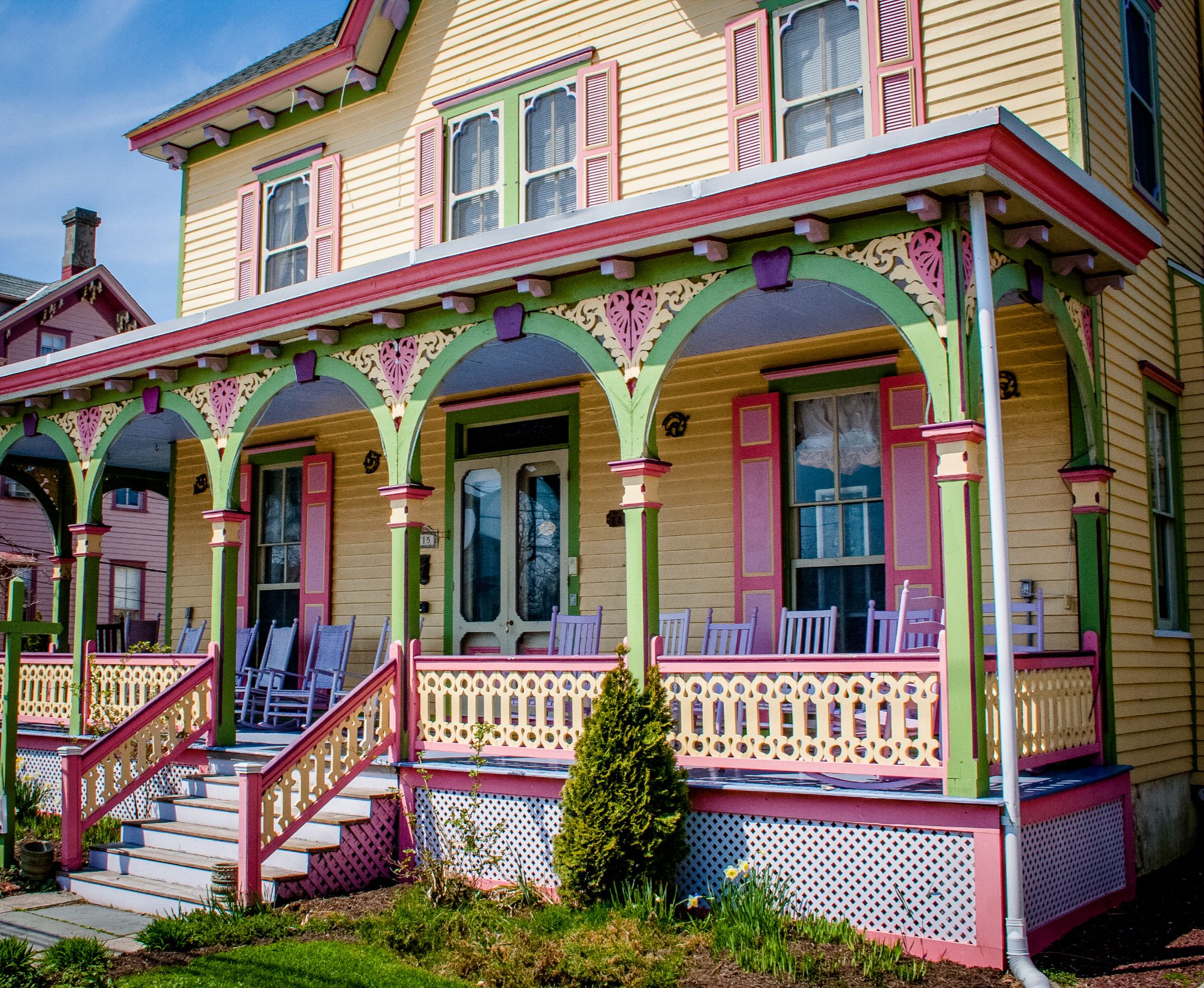
South Jersey’s rich history is reflected in its homes. From Colonial-era brick rowhouses to Queen Anne Victorians and pre-war craftsman cottages, historic homes offer unique charm and architectural detail. Buying one of these properties can be rewarding, but it also comes with extra responsibilities and local regulations. Whether you're purchasing in Haddonfield, Burlington, Collingswood or another historic community, you need to know what to expect.
This guide outlines everything buyers should consider, including inspection realities, preservation requirements, and practical renovation strategies that help maintain historic integrity while improving livability.
What Makes a Home "Historic"?
A home is generally considered historic if it was built 50 or more years ago and maintains its architectural or cultural significance. In South Jersey, many of these homes are located within historic districts or are listed on the New Jersey Register of Historic Places or the National Register. These designations can come with restrictions that affect what changes you are allowed to make, particularly on the exterior.
Know the Rules Before You Buy
Buying a historic home is not the same as purchasing a modern property. Below are key considerations that can affect your purchase and renovation plans:
1. Preservation Guidelines Differ by Town
Each municipality in South Jersey enforces different rules. For example:
-
Haddonfield often requires approvals for exterior changes, including materials and colors
-
Bridgeton has one of the largest historic districts in the state with guidelines that cover a wide range of home styles
-
Burlington City’s Historic Yorkshire Section follows long-standing preservation codes
Always ask the local zoning or historic commission for specific requirements related to the property you are considering.
2. Permits and Approvals May Take More Time
Even minor exterior updates like replacing windows, doors or fencing often require formal approval. In historic zones, you may need a Certificate of Appropriateness before any work can begin. This process can add weeks or even months to your renovation timeline.
3. Specialized Inspections Are Necessary
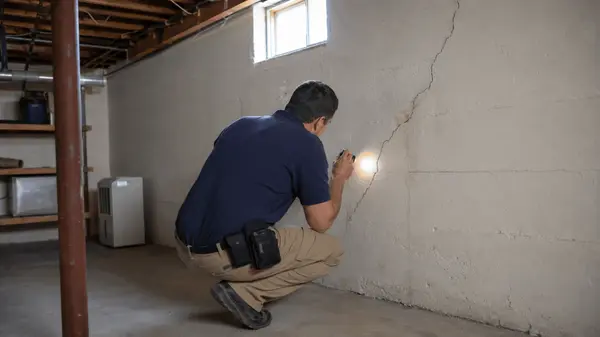
Historic homes often have issues that go beyond what is typically found in newer construction. These may include outdated electrical wiring, older plumbing, lead-based paint, asbestos insulation or prior unpermitted renovations. Make sure to hire an inspector who has experience with older homes and knows what to look for.
Renovating Without Violating Historic Standards
Many buyers find creative ways to enhance their homes while still honoring preservation rules. Below are several practical strategies that can help you modernize without crossing regulatory lines.
Use In-Kind Replacements
Rather than removing original features, consider replacing them with updated materials that closely match the original in appearance. This approach satisfies most preservation boards while also offering improved durability and energy efficiency.
Leverage Interior Flexibility
Interior renovations are typically not regulated in most historic districts. This gives buyers flexibility to update kitchens, bathrooms and floor plans as they wish while preserving the home's exterior character.
Replicate Original Design Features
If something must be replaced, replicate it. For example, installing modern energy-efficient windows that mimic the original sash design is often allowed and retains the home’s visual authenticity.
Blend Modern Design With Historic Features
Rather than removing old elements like decorative molding or pocket doors, incorporate them into your new design. This balance allows you to enjoy the beauty of original craftsmanship while improving function and appeal.
Where Historic Homes Are Most Common in South Jersey
While this blog does not focus on specific areas, it is helpful to know where historic homes are concentrated since rules vary by location. Some of the most active areas include:
-
Haddonfield with its preserved Colonial and Victorian architecture
-
Bridgeton known for its expansive historic district
-
Burlington City which enforces long-standing zoning for historic homes
-
Collingswood with homes dating back to the 1800s
-
Camden’s South Waterfront and South Camden Districts which contain select historic zones
-
Gloucester County where you can find scattered pre-war homes and vintage estates
Even if a home is not formally designated as historic, many towns apply architectural review standards that mimic those in regulated districts.
Financing, Insurance and Practical Planning
Financing: Some lenders require additional documentation or specialized appraisals. You may also qualify for renovation loans or state incentives designed to support historic property restoration.
Insurance: Coverage for older homes can be more expensive. Look for insurers familiar with vintage construction to ensure proper valuation and protection.
Renovation Planning: Always use contractors who understand preservation expectations in the town where the home is located. This will save you time and help avoid permit denials.
Final Thoughts
Buying a historic home in South Jersey offers a rare opportunity to own a piece of architectural heritage. These homes provide charm, character and community value. With the right preparation and a team familiar with local guidelines, you can protect the history of your home while creating a space that fits your lifestyle. The Zielinski Real Estate Group specializes in helping buyers navigate these unique transactions and can guide you through every step of the process. Get in touch with our team today at 856-264-8671 or e-mail Scott@zhomesrealestate.com.
Categories
Recent Posts







REALTOR® License ID: NJ - 1645364 | PA - RS339644
+1(856) 264-8671 | scott@zhomesrealestate.com