
Property Line Disputes in New Jersey: How a Land Survey Can Help
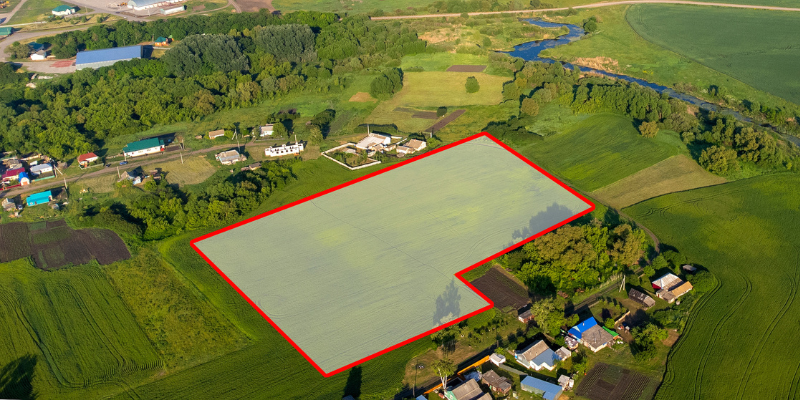
A fence that seems a little too close. A shed that may cross the property line. A driveway that both neighbors believe they have the right to use. Property line disputes in New Jersey can begin with something small and quickly create tension between neighbors.
The problem is that many homeowners do not know exactly where their property begins and ends. Fences, trees, hedges and other visible features may appear to mark a boundary, but they are not always located on the legal property line. When questions arise, a professional land survey can provide valuable information about the property's boundaries and existing conditions.
Whether you already own a home or are preparing to buy or sell one, understanding how surveys relate to boundary issues can help you make better-informed decisions.
What Causes Property Line Disputes Between Neighbors?
Property line disagreements often develop when owners rely on assumptions instead of current property records and survey information. Common causes include:
-
A fence installed on or beyond the property line
-
A shed, garage, patio or retaining wall that extends onto a neighboring property
-
A driveway or walkway that crosses a boundary
-
Trees, hedges or landscaping planted near an uncertain property line
-
Confusion involving a shared driveway or access point
-
Questions about utility, drainage or access easements
-
Conflicting deeds, older surveys or unclear property markers
-
Home improvements completed without confirming boundary lines or required setbacks
These issues are not always intentional. A fence may have been installed by a previous owner who misunderstood the boundary. A property marker may have been moved or become difficult to locate. In other cases, neighboring owners may simply be looking at different documents.
Does a Fence Establish the Property Line in New Jersey?
Not necessarily. A fence may follow the property line, but its location alone should not be treated as proof of the legal boundary.
Fences are sometimes installed several inches inside an owner's property. Others may have been placed without a survey or constructed based on an informal agreement between previous owners. Hedges, tree lines and lawn-maintenance patterns can be equally misleading.
Before installing, removing or relocating a fence, homeowners should consider obtaining a survey and checking local municipal requirements. Fence permits, height restrictions and setback rules can vary by municipality.
How Can a Land Survey Help With a Property Line Dispute?
A land survey is prepared by a licensed professional who reviews relevant property records and examines physical evidence at the site. The New Jersey State Board of Professional Engineers and Land Surveyors regulates land-surveying licensure and practice in the state.
Depending on the type and scope of the survey, it may help:
-
Identify the property's boundary lines
-
Locate corners and existing boundary markers
-
Show the position of fences, driveways, buildings and other improvements
-
Reveal possible encroachments across a property line
-
Identify certain easements or restrictions shown in the available records
-
Provide a survey plan that homeowners and their professionals can review
The survey may confirm that the boundary is where everyone believed it was. It may also reveal that a structure or improvement crosses the line.
A survey provides important evidence, but it does not single-handedly decide every legal dispute. Complicated questions involving ownership rights, easements, conflicting deeds or long-term use of land may require guidance from a qualified New Jersey real estate attorney.
What Should You Do If You Suspect a Boundary Problem?
If you think a neighbor's fence, shed, driveway or other improvement may cross onto your property, avoid making immediate changes or escalating the disagreement. A practical first approach may include the following steps.
1. Review the documents you already have
Look through your closing documents, deed, title information and any survey provided when you purchased the home. Keep in mind that an older survey may not show improvements added after it was completed.
2. Speak with your neighbor calmly
The other homeowner may not realize there is a potential issue. A straightforward conversation can help both parties understand the concern and exchange any surveys or documents they possess.
3. Hire a New Jersey-licensed land surveyor
If the boundary remains uncertain, a current survey can provide more reliable information than online tax maps, fence locations or neighborhood assumptions. Homeowners can verify professional licensing through the New Jersey State Board of Professional Engineers and Land Surveyors.
4. Review the findings with the appropriate professionals
Depending on the issue, you may need to contact your title company, municipal zoning or construction office, or a New Jersey real estate attorney. Do not remove a neighbor's fence, structure or landscaping based only on your own measurements or interpretation.
5. Explore a practical resolution
Some disputes can be resolved through communication and a written agreement prepared with legal guidance. More complicated matters may involve mediation or court proceedings. New Jersey Courts provides civil mediation as a process in which a neutral third party helps parties attempt to reach their own resolution.
Why Buyers Should Pay Attention to Possible Property Line Issues
Buyers should not assume that every fence, shed, driveway or addition associated with a property sits entirely within its boundaries. A possible encroachment or access issue can affect how a new owner uses the property and may lead to an unpleasant introduction to the neighbors after closing.
Consider asking questions if:
-
The yard does not have clearly defined boundaries
-
A fence appears unusually close to a house or structure
-
A driveway is shared with another property
-
A garage, shed, deck or patio sits near the edge of the lot
-
The listing describes more land than the visible yard appears to include
-
The seller mentions an informal arrangement with a neighbor
-
You plan to install a fence, pool, addition or other improvement
A survey may help buyers better understand what they are purchasing before the transaction is complete. Buyers should discuss the timing and appropriate type of survey with their attorney, title professional and other transaction advisers.
Why Sellers Should Address Boundary Questions Before Listing
An unresolved property line question can complicate a home sale, delay closing or make buyers nervous. Sellers who know about a possible issue should discuss it with the appropriate professionals early instead of waiting for the buyer to discover it.
Locating an existing survey, gathering permits and resolving obvious discrepancies can make the transaction more transparent. Sellers should also tell their real estate agent about shared driveways, fence agreements, easements or previous discussions with neighbors so the agent can help coordinate the next steps with the proper professionals.
A Survey Can Replace Assumptions With Better Information
Property line disputes in New Jersey can become expensive and stressful when they are allowed to grow. A professional land survey can help homeowners understand the physical boundaries and improvements affecting a property, giving everyone a clearer foundation for discussion.
The best time to address a potential boundary problem is before installing an improvement, listing a home or completing a purchase. When the issue involves competing ownership claims or legal rights, homeowners should also consult a qualified real estate attorney.
Buying or Selling a Home in South Jersey?
Property boundaries are only one of the details that can affect a real estate transaction. Our team can help you spot the right questions early, navigate the buying or selling process and connect with the right local professionals when specialized guidance is needed.
Ready to make your next move? Contact us today to discuss a game plan.
Call or text: 856-264-8671
Email: Scott@zhomesrealestate.com
*This article is provided for general informational purposes only and is not legal or surveying advice. Property owners should consult a New Jersey-licensed land surveyor and qualified real estate attorney regarding their specific circumstances.
Categories
Recent Posts







REALTOR® License ID: NJ - 1645364 | PA - RS339644
+1(856) 264-8671 | scott@zhomesrealestate.com